t&g building


The T&G Building was an early Sydney skyscraper, on the corner of Elizabeth and Park Streets. Here it's going up in the early 1930s.
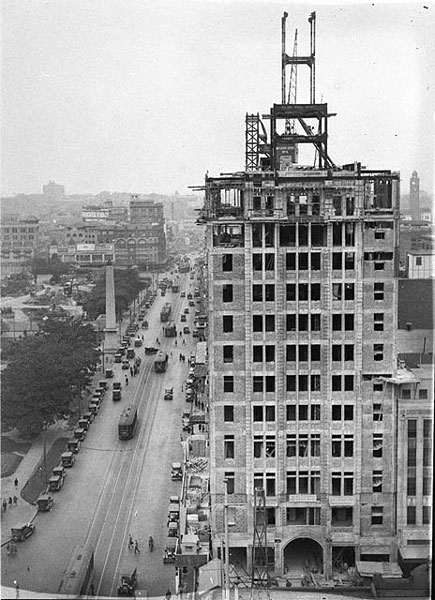


And here completed, though not for very long.


Below are street decorations for the Queen's visit in 1954.


And below is the 50 storey T&G Tower that replaced it less than forty years later.


Aren't we lucky.

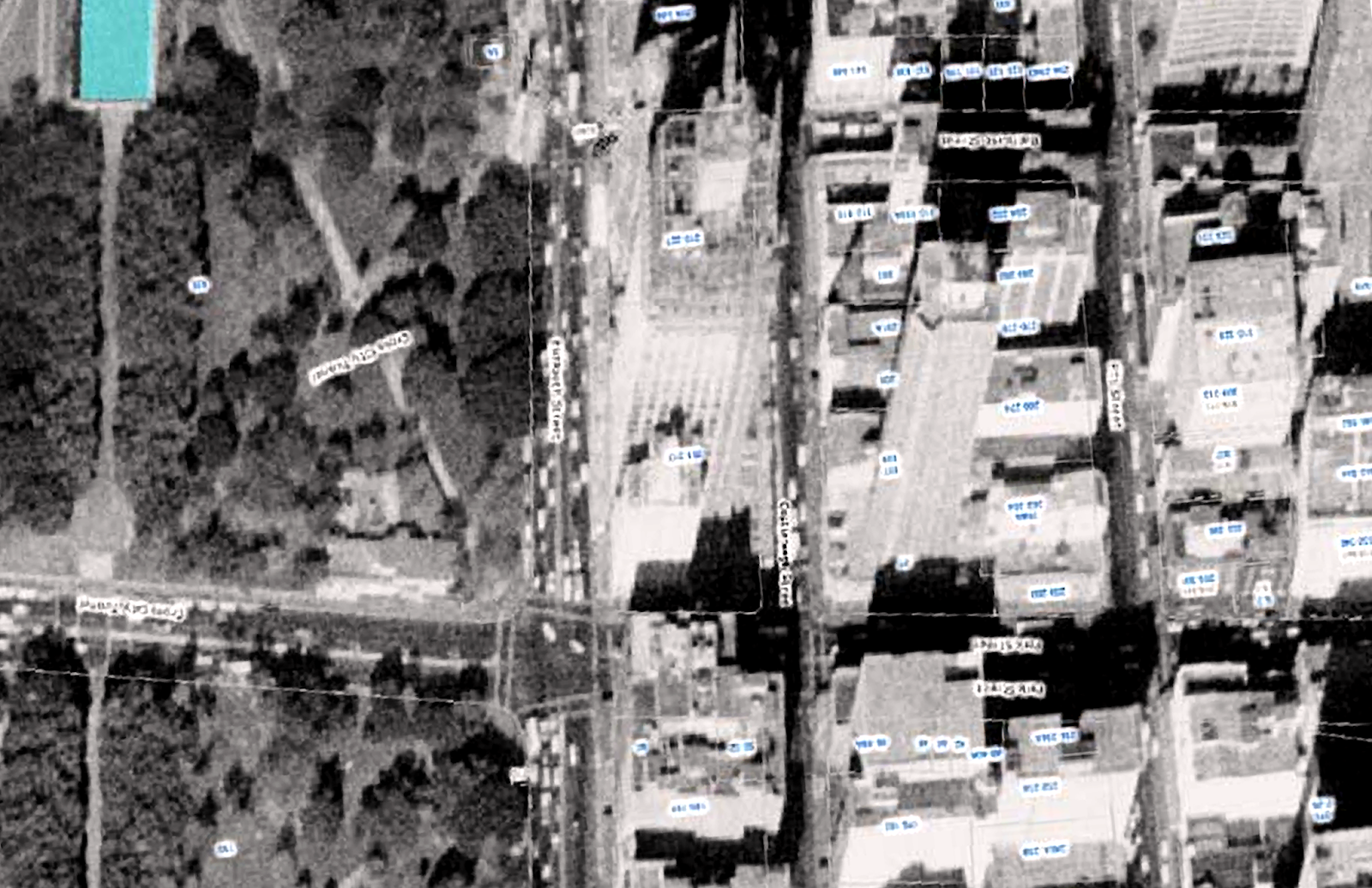
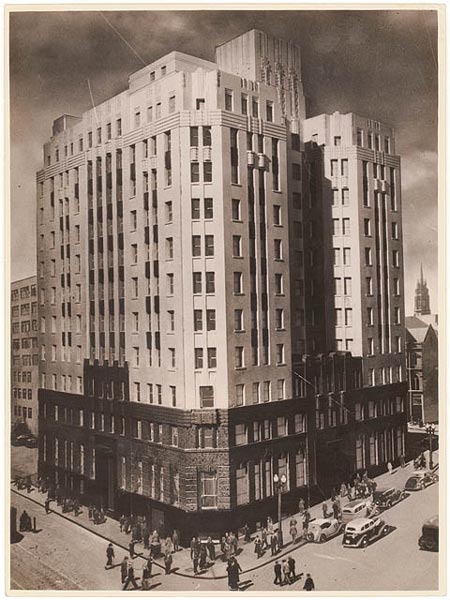
...Further photos below I've since found. Do click on each image to enlarge it (then click on it again for its full size.) The details are great.


the rural bank

"If the primary activity of the nation was erection, improvement and expansion of buildings and land then, with few exceptions, the perceived or actual worth of the land was the only criteria by which it could be judged, and if the buildings were in a vernacular that was of another place and time, and were worth more demolished than standing then down they came."

Garrett, P. ‘National Estate or Real Estate: Crunch Time for the Harbour City’, 1999 http://www.nsw.nationaltrust.org.au
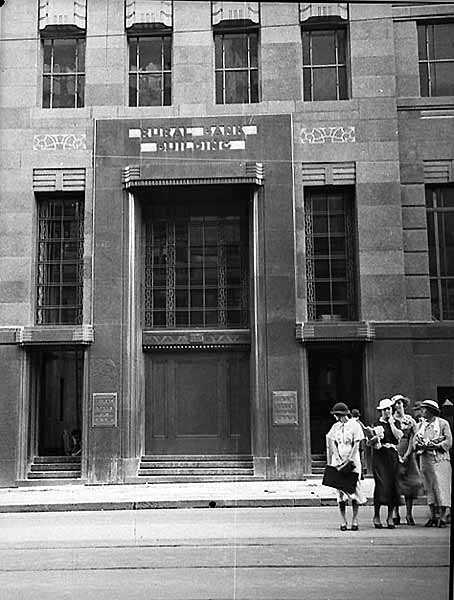
The Rural Bank Building in Sydney's Martin Place was a granite and sandstone shrine to high art deco.


check out those friezes in the main banking chamber. The lift lobby was detailed in brass trim.

Even though it's architectural value was fully recognised and there'd been a campaign to save it, in 1985 it was pulled down to make way for this. I remember I went for a final sightsee, like many others, just weeks before.

All that I know of that's left of it are the rams' heads from the old exterior (it was the Rural Bank), which were saved and stored in the new building.

more pics here

pre-modern and modern


These pics are from a NSW museum exhibition series. The one above is a Redfern family evicted in 1934. That's their "meagre possessions" on the footpath. He was a Gallipoli vet.


This was taken only twenty four years later, on a new Dundas estate, but it may have been another world in comparison. It gives a sense though behind the twentieth century enthusiasm to demolish the drear and drudge of the past and concrete it over with sparkling new modernity. Yet so much was successfully eradicated that what's left is coveted.

117a Enmore Road


Mystery: The Archives say this is Enmore Rd. The sign above the door says 117a.


This is 117 and 119 Enmore Rd today, part of a late Victorian triple frontage. There is no 117a, and there's no side lane. Either the road's been re-numbered, which wouldn't be likely on a main thoroughfare after 1930, or there's a document error. So, it's 117a where?